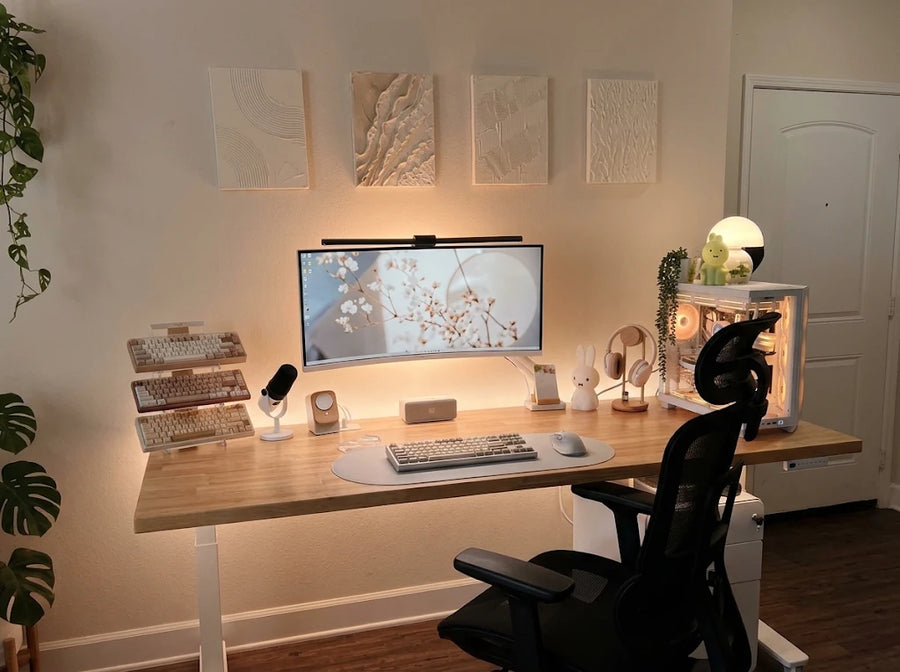
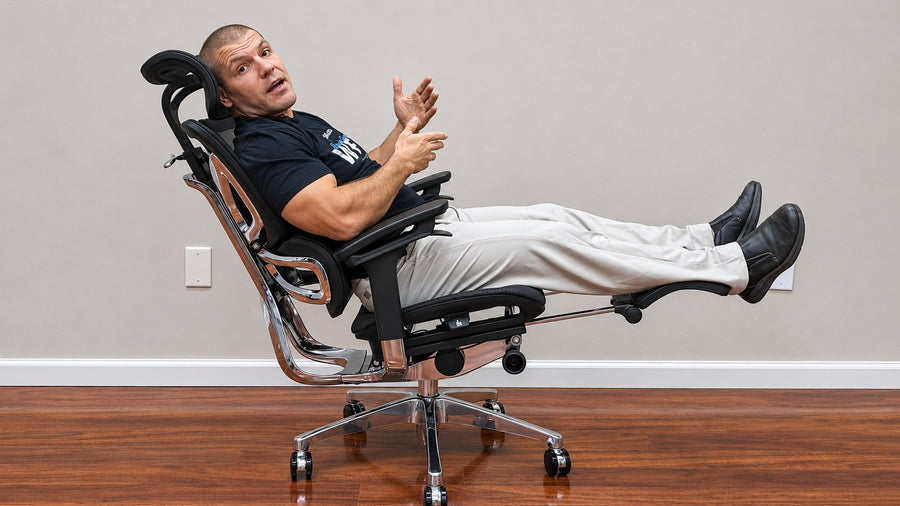
The right ergonomic setup should adapt to your body, support frequent movement, and stay comfortable through a full workday.
An office chair cushion can look thick and still feel thin after a few hours. You settle in comfortably in the morning, then begin shifting around because the seat feels harder beneath you.
Several things can produce that sensation: temporary foam compression, gradual loss of firmness, or a cushion that compresses too deeply for its user. Understanding the difference helps when assessing an old chair or choosing a new one such as the OdinLake L3 CozyCloud.
Compression Is Normal; Lasting Flattening Is Different
Foam compresses under your weight. The useful question is what happens after you stand up.
A cushion that regains its shape is behaving differently from one that retains a visible hollow. The Polyurethane Foam Association describes permanent height loss after compression as compression set. It separately identifies loss of firmness after repeated flexing as flex fatigue. A seat can therefore feel less supportive even when the change in its appearance is modest. Polyurethane Foam Association glossary.
Look at your chair after it has been unoccupied for a while. Does the middle remain lower than the surrounding surface? Does one side look more compressed? When you sit again, do you quickly feel the firm structure beneath the cushion?
Those observations are more useful than judging the cushion only by how soft it feels under your hand. If it recovers after you get up and remains comfortable during use, temporary compression alone does not mean it needs replacing.
If it keeps a hollow, feels noticeably less supportive, or lets you feel the seat base, contact the chair’s support team about inspection or replacement options. A newer cushion that quickly bottoms out may be a poor match for its user rather than worn out; review the chair’s fit and return options before assuming the foam has failed.
What the L3 CozyCloud Adds to the Seat
The L3 CozyCloud uses a 3.15-inch high-resilience foam core beneath a soft-touch fabric cover. It is the cushioned option within the L3 range, intended for people who prefer a fuller, softer seat feel. Explore the OdinLake L3 seat options.
The thickness provides room for cushioning, while the foam’s behavior determines how that cushioning feels under load. A thicker seat alone cannot tell you how far you will sink or how well the material will retain its properties.
“High resilience” also should not be read as a promise that a cushion can never flatten. Long-term performance requires evidence from repeated-use and compression testing; the material description alone does not establish a lifespan.
Softness, Density, and Support Describe Different Things
A soft surface can feel welcoming when you first sit down. Support becomes more apparent as your weight compresses the cushion further.
Foam density and firmness are separate properties. Higher-density foam can be made soft, and lower-density foam can be made firm. The Polyurethane Foam Association also distinguishes initial firmness from the foam’s ability to support weight at deeper compression. Foam performance guide.
For the L3 CozyCloud, assess the complete seat rather than one specification. Sit in your usual working position, with the chair adjusted to your desk. Notice whether you feel comfortably cushioned or sink far enough to feel the underlying structure.
Check the Seat During Your Actual Work
A quick showroom sit may miss what becomes noticeable while typing, reading, or joining a long meeting.
During a trial, pay attention to whether the seat still feels supportive after a normal work session, whether you can change position easily, and whether the front edge presses into your thighs. Check its shape again after you get up.
CozyCloud is worth considering if you prefer a padded surface. When choosing between mesh and foam, consider airflow and seat feel alongside fit. The deciding factor is how the complete seat supports you during use—not simply how thick it looks or how soft it feels during the first minute.
FAQ
Can adding a seat cushion fix a flattened office chair seat?
An added cushion may change how the seat feels, but it does not restore the original foam’s structure or firmness. It also raises your sitting position and can change how your thighs, feet, and lower back meet the chair.
If you try one, recheck your seat height, foot support, armrest position, and contact with the backrest. If the original seat has deteriorated, ask about repair or replacement rather than relying on extra padding to conceal the problem.
Can I replace the foam without replacing the whole chair?
That depends on how the seat is constructed. Some chairs have serviceable upholstered seats, while others require a complete replacement seat assembly.
Before removing fabric or buying foam, identify the exact chair model and ask its support team which parts can be replaced. Foam thickness alone is not enough to select a suitable substitute; its firmness, support characteristics, shape, and compatibility with the seat base also matter.