Many DTC product launches fail to convert social impressions into sales due to poor creator communication. This article outlines a 4-step framework for influencer outreach, using OdinLake's L3 Ergonomic Chair launch as a case study. By personalizing pitches to creator pain points, providing directional briefs, and converting features into relatable video scenarios, brands can bridge the conversion gap and maximize ROI.
Quick answer
The right ergonomic setup should adapt to your body, support frequent movement, and stay comfortable through a full workday.
Product launches can define a DTC brand’s trajectory, yet high creator reach frequently fails to drive checkout conversions. The cause of this disconnect isn't always the product itself—more often, it’s how brands pitch their partners. Influencers are storytellers, not passive billboards. To close the conversion gap, brands must move away from generic gifting offers and adopt strategic, ROI-focused communication.
Ditch the Generic Pitch: Target Creator & Audience Pain Points
Bulk, templated emails listing technical specs are instantly ignored by high-value creators. Sending generic "free sample for a video" mass emails simply doesn't work. Instead, brands must customize their outreach strategy:
-
Workflow Alignment: Tailor the pitch to the creator's specific daily setup and creation process.
-
Pain Point Focus: Highlight how the product solves explicit physiological issues for their specific audience.
-
Functional Value: Position the item as an essential routine upgrade rather than mere free merchandise.
Give Creative Freedom Within Problem-Solving Boundaries
Rigid scripts and bulleted spec sheets result in forced ads that viewers instantly scroll past. To maximize ROI, equip creators with directional guidelines instead:
- The Core Hook: Define the main pain point (e.g., lower back strain during 10-hour shifts), but let the creator introduce it naturally.
- The Demonstration: Require creators to show active problem-solving on camera rather than leaving the product as a passive prop.
- The Authentic Storyline: Give creators the freedom to express genuine impressions in their community's unique voice.
Case Study: How OdinLake Applied These Methods to the L3 Launch
When launching the OdinLake L3 Ergonomic Chair, OdinLake put these principles into practice to turn creator exposure into checkout intent:
Tailoring Communication Across Creator Segments (Applying Method 1)
-
Music & Compact Setup Creators: Outreach focused on the L3’s Pendulum Curved Armrests for instrument playing and small-space storage.
-
WFH Tech Creators & Editors: Pitch communications highlighted the German-standard FlexBreath® Mesh for heat dissipation during intense 10-hour shifts.
-
Lifestyle Vloggers: Outreach centered on the CozyCloud Foam edition, framed around cloud-like comfort and thigh pressure relief.
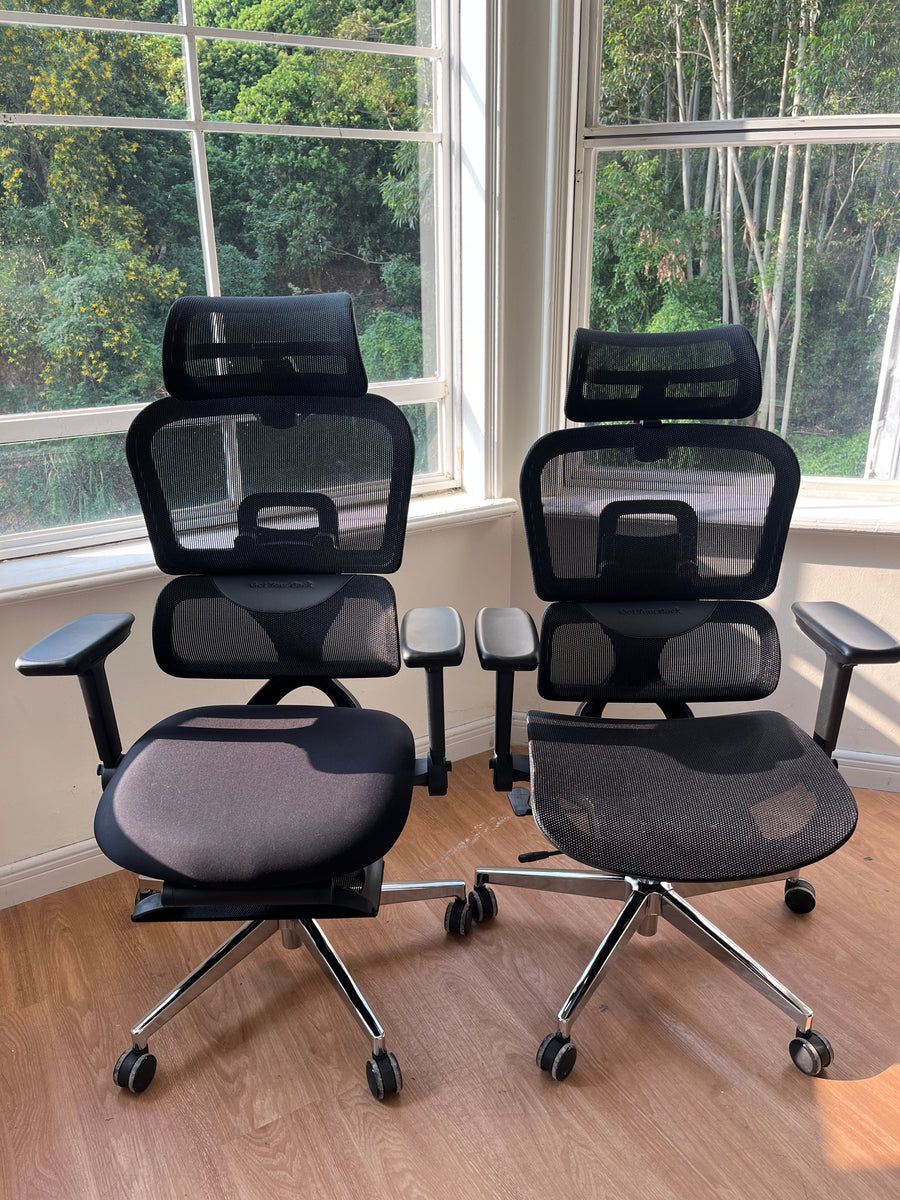
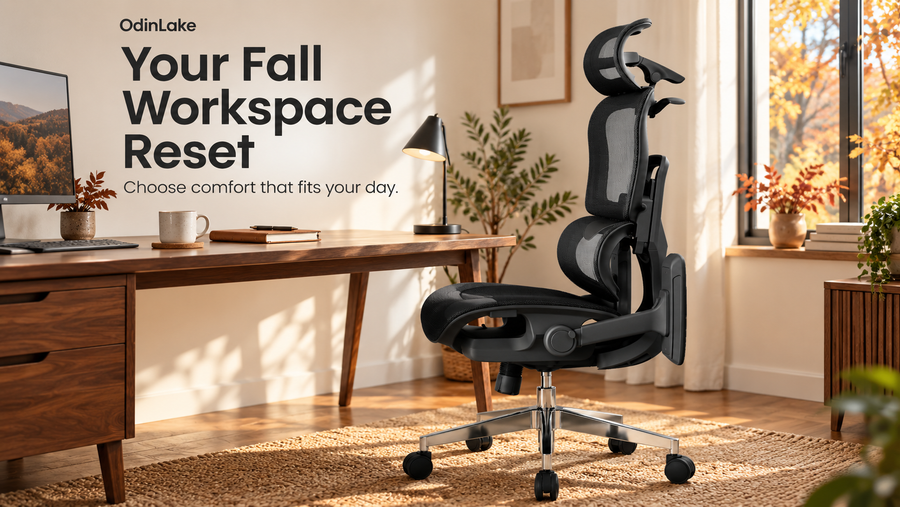
Converting Features into Content Scenarios (Applying Method 2) Rather than listing technical specs, OdinLake guided creators to open videos with active visual hooks—showing on camera how the smart dual-zone backrest and gliding lumbar support dynamically track body movements to relieve pain. Furthermore, creators were encouraged to showcase a full "work-to-rest" daily routine: from ergonomic typing with the 3D headrest, to utilizing the hidden coat hanger, and deploying the 135° recline with footrest for a midday nap.
Post-Launch Communication: Nurturing Long-Term Partnerships
Creator communication shouldn't end when a review goes live. High-converting brands maintain ongoing creator relationships through a clear post-launch strategy:
-
Performance Tracking: Follow up with creators on performance metrics, discount code conversions, and top customer queries.
-
Product Insights: Collect real user feedback after several weeks of daily use to refine future R&D and messaging.
-
Ambassador Transition: Turn top-performing launch partners into long-term brand ambassadors with performance incentives.
Conclusion: Communication Drives Conversion
Influencer conversion is not simply a reach problem. It is a communication problem. Getting millions of views means very little if the content fails to communicate real problem-solving value. By personalizing outreach around creator pain points, offering directional creative freedom, and guiding influencers to turn features into relatable scenarios—just as OdinLake demonstrated with the L3 launch—brands can transform creator exposure into a reliable, high-margin revenue engine.