The right ergonomic setup should adapt to your body, support frequent movement, and stay comfortable through a full workday.
Your Chair Impacts More Than Just Comfort
Most people don't think much about their chair. It's simply there, supporting us through meetings, projects, study sessions, creative work, and everything else that fills our day. Yet we spend thousands of hours sitting throughout our lives, often without realizing how much our chair influences our comfort, posture, and overall wellbeing.
The problem is that discomfort rarely appears overnight. Instead, it develops gradually. A stiff neck after a long day, tight shoulders after hours of focused work, or lower back fatigue that slowly becomes part of a daily routine. By the time many people begin to notice these issues, they may have already spent years adapting to a chair that wasn't designed to properly support them.
The Way We Work Has Changed
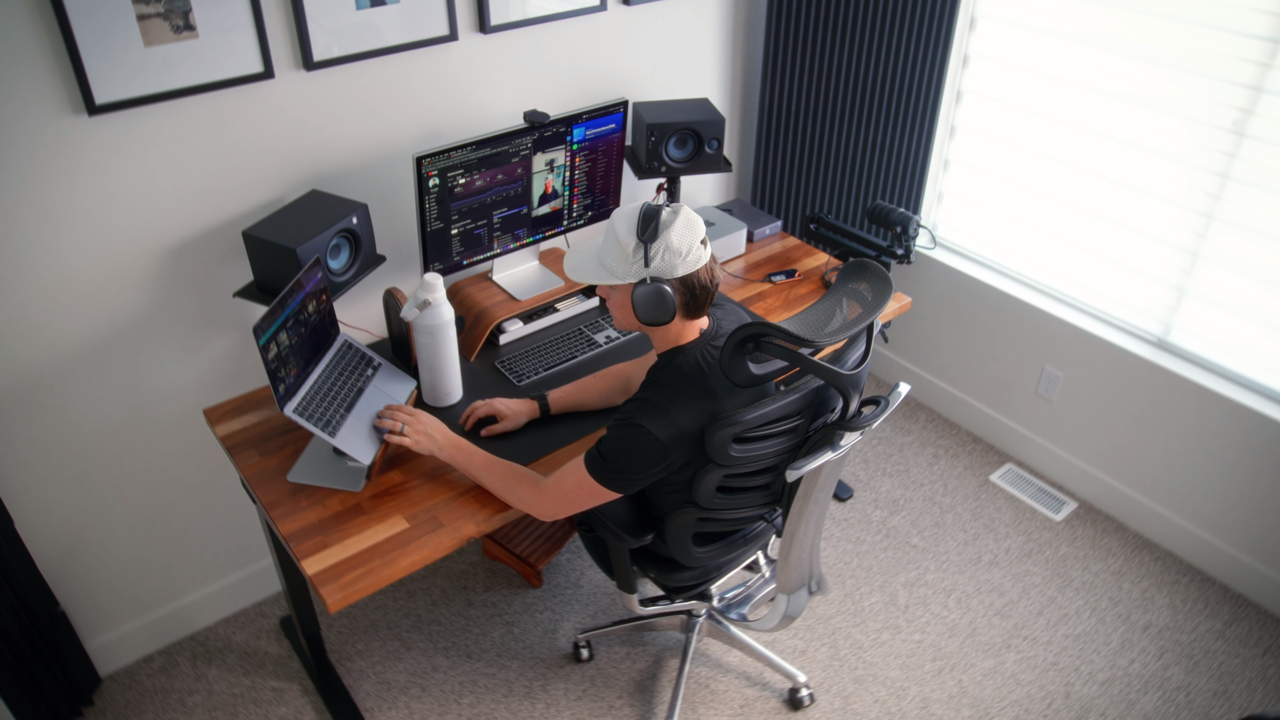
At the same time, the way we work has changed dramatically. Traditional offices are no longer the only place where work happens. Many people now move between home offices, shared workspaces, conference rooms, and creative environments throughout the week. Work and life increasingly happen in the same spaces, which means many of us are spending more time seated than ever before.
Why Many Office Chairs Fall Short
Yet while the way we work has evolved, many chairs haven't evolved with it. Many are still designed around outdated assumptions about how people work, prioritizing appearance over support and offering limited adaptability for modern workstyles. Some prioritize appearance over ergonomics, while others offer limited adjustability or fail to provide meaningful support during extended periods of use. As a result, comfort often becomes something people compromise on rather than expect.
What Makes an Ergonomic Chair Different?
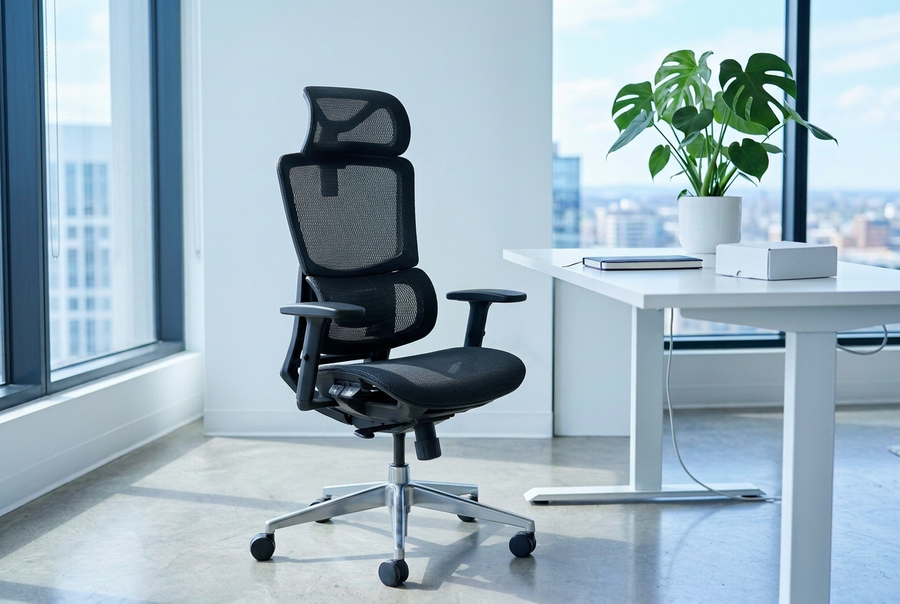
A well-designed ergonomic chair is about more than comfort alone. It helps reduce unnecessary strain on the body, encourages healthier sitting habits, and supports better focus throughout the day. When your body feels supported, it becomes easier to stay engaged in the work, ideas, and goals that matter most.
The best ergonomic solutions often go unnoticed. They don't demand attention or interrupt concentration. Instead, they work quietly in the background, adapting to the user and providing support where it's needed most. Great design is rarely about adding complexity — it's about creating an experience that feels natural, intuitive, and dependable. If you're unsure where to start, our guide on how to choose an ergonomic chair can help you find the right fit.

Investing in Long-Term Comfort and Wellbeing
As modern work continues to evolve, the importance of proper support will only continue to grow. Choosing the right chair isn't simply about upgrading your workspace. It's about investing in your comfort, wellbeing, and ability to perform at your best over the long term.
At OdinLake, this understanding shapes everything we design. Because when your chair properly supports your body, you're free to focus on everything else that matters.