In a world obsessed with AI efficiency, OdinLake takes a deliberate stand. We reject automated customer service, AI-generated imagery, and digital-only design processes—because premium ergonomic chairs demand real human judgment, physical testing, and honest communication.
The right ergonomic setup should adapt to your body, support frequent movement, and stay comfortable through a full workday.
Efficiency is the obsession of 2026. Hit a button, and an algorithm spits out a flawless customer email, a pristine product photo, or a streamlined marketing pitch. It saves money, and it cuts down friction. But it also strips away something vital. As digital ecosystems flood with automated perfection, online spaces have never felt more detached.
At OdinLake, we engineer high-end ergonomic chairs. Our audience isn't looking for cheap office furniture; they are professionals spending ten to twelve hours a day sitting, designing, and thinking. An ergonomic office chair is deeply intimate. It functions as a physical extension of your body, bearing your weight, absorbing your stress, and protecting your health. Because we design for real human anatomy, our operations must remain human. We deliberately refuse the easy path of total automation.
1. Actual Human Support, Not Scripted Bots
The standard corporate strategy is simple: dump customer service onto an AI chatbot. It is scalable and costs next to nothing. But everyone knows the precise frustration of arguing with a robot that offers a perfectly polite answer while completely ignoring the actual human problem.
We choose not to use AI for our support roles. Every single interaction at OdinLake comes from a live, thinking specialist who knows ergonomics inside out.
When people contact us, they are rarely just tracking a package. They are often dealing with physical strain—sharp lower back pain, tight cervical muscles, or repetitive fatigue. A database cannot empathize with physical discomfort. A chatbot cannot factor in how your specific height, desk setup, and posture habits create those pressure points. Our team actually listens. We take the time to evaluate your situation and give real, specific ergonomic advice. We prefer deliberate, honest conversations over instant, automated noise.
2. Messy Reality Over Synthetic Perfection
AI image tools make deception effortless. Anyone can type a quick prompt and generate an immaculate studio apartment or a luxury office space bathed in flawless light, highlighting a spotless chair. It looks striking, but it is entirely hollow.
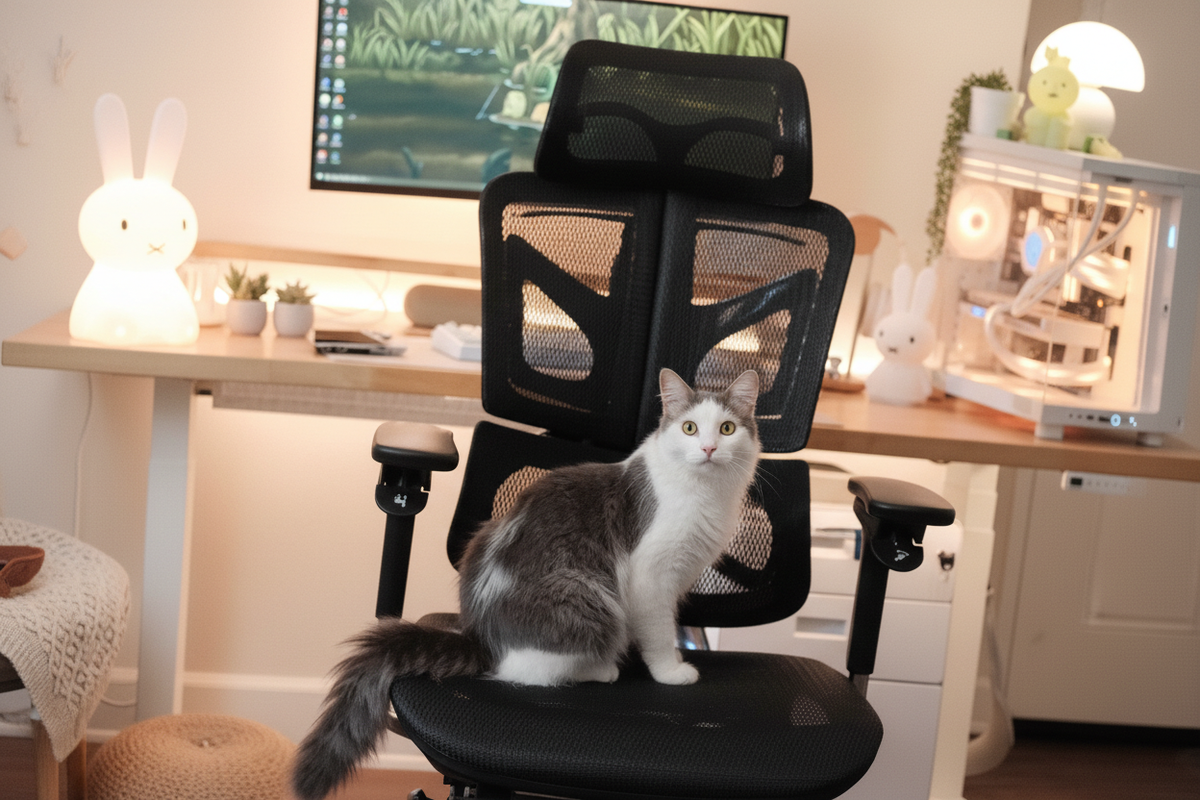
OdinLake has banned AI-generated lifestyle pictures from our website and campaigns. We rely on real User-Generated Content (UGC) and unedited, organic setups from our actual community instead.
Real life has flaws. Authentic workspaces feature cluttered desks, stray power cords, half-empty coffee cups, and pets sleeping on the floor. When you see our furniture on our platform, you see it exactly as it exists in a functioning room. An organic, slightly disorganized space shared by a software developer or writer carries an element of trust that a polished AI render can never match. We respect your intelligence too much to market illusions.
OdinLake Design Manifesto: "An algorithm can draft flawless geometry, but it lacks human conviction. In a world driven by speed, we stand by the weight of what is real."
3. The Industrial Approach: Physical Iteration over Digital Speed
Market pressures force brands to launch products at a dizzying pace. Companies use AI to rush through digital blueprints and flash presentation decks, turning furniture design into a fast-fashion race where aggressive marketing matters more than structural integrity.
We lean into a slower, traditional engineering workflow. Our focus remains locked on the raw mechanics of spinal protection and biomechanical health, investing our energy into physical testing rather than screen simulations.
-
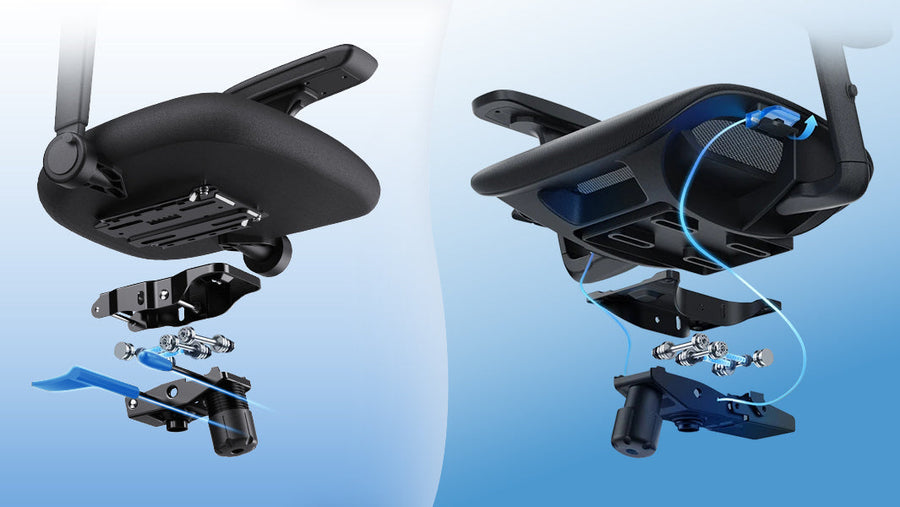
3-Section Independent Backrests: Building genuine, dynamic support for your cervical, thoracic, and lumbar regions requires handling physical prototypes. We test how mechanisms react to the actual shift of human weight.
-
Active Lumbar Tracking: Making a component that moves seamlessly with a turning spine demands continuous mechanical stress tests, not just theoretical models on a computer.
-
Biomechanical Stress Relief: Every single curve, mesh tension zone, and lever must be verified by real bodies enduring long hours of real-world use.
An algorithm can estimate stress coordinates, but it cannot feel the minute adjustments needed to ease pressure on the sacrum. By grounding our development in hard physical data, we build seating solutions that deliver lasting anatomical support, not short-term visual trends.
Conclusion: The Restraint That Defines Us
Rejecting AI chatbots, avoiding synthetic photography, and sticking to slow, rigorous manufacturing might seem out of touch in a hyper-optimized market. It is a slower evolution. But lasting trust and true luxury belong in the spaces where automation is rejected to protect human care.
We invite you to step away from the digital noise, clear your mind, and experience an ergonomic tool built by human hands, backed by human minds, and designed for real human lives.