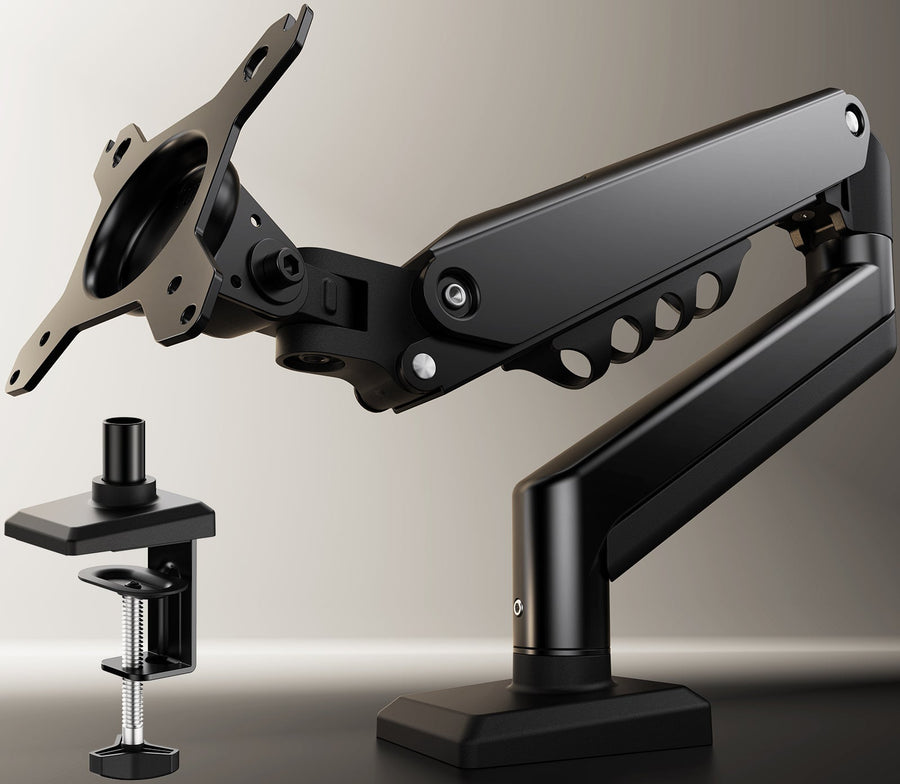
A destination-first cleanout method for inventorying multiple office-furniture items, confirming reuse or removal routes, staging safely, and documenting every handoff.
The right ergonomic setup should adapt to your body, support frequent movement, and stay comfortable through a full workday.
The practical way to get rid of office furniture is to give every item a confirmed destination before anything is dismantled or loaded. Inventory the furniture, separate reusable items from unsafe or contaminated ones, ask each recipient exactly what it accepts, and keep a fallback route for anything it rejects. Reuse and donation should be considered before recycling or disposal, but only when the furniture is functional, honestly described, and accepted by the next owner.
This guide is for a multi-item home-office clear-out, workplace move, renovation, or downsizing project. A single chair has its own component and gas-lift questions; OdinLake’s office-chair disposal guide covers that narrower task. Here, the success state is broader: every desk, chair, cabinet, table, and accessory has left through an authorized route, and the handoff can be verified.
Treat the cleanout as an inventory problem
A room full of furniture does not have one condition, one owner, or one destination. A reseller may want matching task chairs but not worn lounge seating. A nonprofit may accept clean desks but lack pickup capacity. A recycler may accept a steel frame but reject an assembled desk made from mixed materials. One “take everything” instruction hides those differences.
Start an exit inventory with one row per item or matching group. Matching products can share a row only when their model, condition, owner, and proposed route are the same.
| Inventory field | What to record | Why it changes the route |
|---|---|---|
| Item identity | Furniture type, brand, model, quantity, dimensions, and asset tag if used | Recipients can screen the exact item instead of a vague “office furniture” load |
| Ownership | Company-owned, leased, landlord-owned, or personally owned | Only the authorized owner or administrator should approve the exit route |
| Condition | Functional checks, visible wear, missing parts, contamination, and structural concerns | Usable furniture and unsafe furniture must not enter the same reuse stream |
| Access | Room, floor, doorway, elevator, stairs, loading point, and largest assembled dimension | A recipient may accept the item but be unable to remove it from the building |
| Proposed destination | Internal reuse, sale, donation, recycler, or local bulky-waste service | Each route has different condition, quantity, preparation, and timing requirements |
| Acceptance evidence | Contact, date, written scope, appointment, fee, and receipt or handoff record | A destination is not confirmed until the provider accepts the actual inventory |
Photograph each group as it stands, including model labels and visible damage. Do not disassemble furniture simply to make the inventory look smaller. An intact item is easier for a recipient to assess, while an unidentified stack of panels may lose its reuse value.
Remove everything that is not furniture from the furniture stream
Clear drawers, cabinets, cable trays, shelves, and privacy panels before offering the furniture to anyone. Sort keys, manuals, mounting hardware, power supplies, personal belongings, paper records, removable electronics, and batteries separately. Do not let a furniture-removal pickup become an accidental records or electronics disposal event.
For a business cleanout, send computers, storage devices, digital copiers, and sensitive paper through the organization’s approved information-disposal process. The Federal Trade Commission’s business data-security guidance recommends inventorying where sensitive information is stored and disposing of information so it cannot be read or reconstructed. A furniture hauler’s willingness to take a device does not establish that the data has been handled correctly.
Also separate items that may belong to a landlord, employee, leasing company, or service provider. Get authorization from the responsible owner before labeling them for sale, donation, or disposal. If built-in work surfaces, wall-mounted cabinets, or wired components are involved, ask the property or facilities contact to define the removal boundary.
Sort by condition before choosing a destination
Condition determines whether continued use is reasonable. Make the first inspection unloaded and in good light. You are screening the furniture for routing, not certifying hidden components or conducting a load test.
| Condition group | Possible route | Required boundary |
|---|---|---|
| Clean, stable, complete, and functional | Internal redeployment, sale, giveaway, or donation | Describe wear and functions accurately; obtain acceptance before pickup |
| Potentially serviceable, with a specific nonstructural fault | Manufacturer-supported repair review, then reuse reassessment | Use the exact model, approved part, and documented procedure |
| Cracked, bent, unstable, electrically damaged, or subject to an unresolved recall | Remove from service and obtain manufacturer or qualified handling guidance | Do not donate, resell, keep testing, or conceal the defect |
| Infested, mold-affected, heavily soiled, or otherwise unsuitable to pass on | Local sanitation, specialty handling, or waste route | Disclose the condition and keep it physically separate from reusable inventory |
| Rejected for reuse but made of identifiable recoverable materials | Furniture or material recycler | Let the receiving facility define what it accepts and how it should arrive |
Search the exact brand, model, and identifying number for current recalls before passing a consumer product to another user. USAGov’s Consumer Product Safety Commission page links to federal recall information and incident reporting. When a recall applies, follow its remedy and disposition instructions instead of sending the item through a generic resale or donation route.
Assign routes in a useful order
The U.S. Environmental Protection Agency’s non-hazardous materials and waste management hierarchy places source reduction and reuse ahead of recycling and disposal. For an office-furniture cleanout, that principle becomes an ordered routing process—not a guarantee that every item can be donated or recycled.
Keep useful furniture in service
Check whether another team, room, branch, employee workspace, or approved community use can take the item. Internal redeployment avoids finding an outside recipient, but it still needs an owner, destination, move plan, and condition record. Do not move a poor fit or known defect into another room merely to clear the original one.
Offer marketable groups for sale
Used-furniture buyers and liquidators usually need enough information to decide whether an inventory fits their market. Send counts, models, dimensions, condition photos, matching sets, removal access, and the required exit date. Ask what the buyer will take, what it will leave, whether it performs dismantling, and when ownership and responsibility transfer.
A purchase offer for selected pieces is not a cleanout plan for the remainder. Keep the rejected items visible in the inventory and continue routing them.
Offer usable items for donation or giveaway
Contact the receiving organization before moving furniture. Confirm item types, quantities, dimensions, upholstery condition, powered components, pickup or drop-off, floor access, and whether furniture must remain assembled. A general website statement that “furniture is accepted” may not reflect current storage, staffing, or local demand.
Provide an honest item list and let the recipient choose. Do not pressure a nonprofit to accept broken furniture as a condition of receiving the useful pieces.
Ask a recycler about the assembled products
Desks, chairs, cabinets, and partitions can combine metal, wood or composite panels, fabric, foam, plastic, glass, adhesives, fasteners, motors, and controls. The EPA’s Bulky Items Quick Start Guide notes that furniture can be difficult to recycle because mixed materials require significant processing. A metal frame or wood panel may have a local market while the complete item does not.
Ask whether the facility accepts the whole item, requires material separation, performs its own disassembly, or excludes powered parts, upholstery, composite wood, glass, or pressurized chair cylinders. Do not start cutting, crushing, heating, or improvising a teardown to meet a rule you have not confirmed.
Use authorized bulky-waste or disposal service for the remainder
Furniture that cannot be reused or recycled may need a municipal, Tribal, property-approved, or commercial bulky-waste route. Rules can differ by address, property type, item, quantity, and business versus household source. Confirm the service area, appointment, fees, set-out location, item limits, and preparation instructions directly with the provider.
Do not leave furniture beside a dumpster, donation area, loading dock, or curb without permission. “Someone might take it” is not a confirmed handoff and can block an accessible route or create another cleanup.
Get a route accepted in writing before scheduling the move
A reliable confirmation names both what happens and what does not happen. For each recipient, recycler, or hauler, ask:
- Which inventory rows and quantities will you accept? Attach photographs and identify any powered, upholstered, glass, damaged, or unusually large item.
- What condition and preparation do you require? Confirm whether drawers must be empty, keys attached, panels labeled, or furniture left assembled.
- Who provides labor and equipment? Define dismantling, packing, elevator protection, carrying, loading, and cleanup.
- Where will each accepted stream go? Separate reuse, resale, donation, recycling, and disposal rather than accepting a vague “green removal” label.
- What will you leave behind? Require a rejection list or fallback plan for items outside the scope.
- What record will you provide? Depending on the route, this may be an itemized receipt, pickup record, weight ticket, destination report, or disposal invoice.
For a workplace, also confirm the building’s loading hours, elevator reservation, floor and wall protection, vehicle access, vendor requirements, and the person authorized to release assets. These are site-specific operating questions; do not assume that a mover or recipient has arranged them.
Stage the furniture by destination, not by room
Once routes are confirmed, label items or zones with the inventory ID and destination. Keep the condition groups separate. Reuse-ready furniture should remain clean, dry, complete, and protected from damage; rejected or unsafe items should not drift back into the donation zone.
Schedule routes with the least flexible acceptance windows first, while preserving time for rejected pieces to move to a fallback. Do not fill corridors, stairs, fire doors, or accessible paths while staging. Keep enough floor area for movers to grip and turn items without stepping over loose hardware.
Disassemble only when the receiving party requests it, the model documentation permits it, and the move team can preserve the parts. Photograph connections, bag and identify hardware, and keep matched components together. Stop for glass damage, structural tension, hidden or stripped fasteners, exposed wiring, a hot or damaged powered component, or any procedure that conflicts with the current product guide.
Use appropriate moving equipment and enough capable people for the item and route. OSHA’s heavy-material handling guidance recommends reducing loads and using mechanical means when possible. If an item blocks vision, cannot be gripped securely, or must negotiate stairs or a tight turn, use a qualified mover rather than treating the cleanout as an improvised solo lift.
Close the project with an exception check
On removal day, one person should control the inventory while the move team controls the physical work. Check each group against the accepted scope as it leaves. Record quantity differences, damage, refusals, and destination changes instead of correcting the spreadsheet from memory later.
Before calling the room clear:
- match every inventory row to a handoff, retained location, or documented exception;
- collect the receipts, pickup records, invoices, or destination reports promised by each provider;
- confirm that keys, manuals, hardware, and powered components stayed with the correct items;
- inspect drawers, cabinets, cable trays, wall lines, storage rooms, and staging zones for missed property or records;
- route every rejected item through the prepared fallback instead of leaving it unassigned;
- record why reusable furniture left service so the replacement brief does not repeat the same fit, access, durability, or support problem.
If the cleanout includes an OdinLake product whose exact model, repair boundary, or supported disassembly route is unclear, photograph the label and condition before using the OdinLake Help Center or contacting OdinLake support. The next step is not to load faster; it is to resolve the final exception until every item has an accepted, traceable destination.
Frequently Asked Questions
Who takes used office furniture?
Possible recipients include another team, a used-furniture buyer, a liquidator, a nonprofit, a community reuse organization, a furniture recycler, or an authorized bulky-waste provider. Acceptance depends on the item, condition, quantity, location, access, and current capacity. Send an inventory and obtain confirmation before arranging transport.
Can office furniture be recycled?
Some office furniture can be recycled, but a recyclable material does not make the assembled product acceptable everywhere. Ask the local facility about desks, chairs, cabinets, upholstery, composite panels, glass, powered parts, and pressurized chair cylinders separately. Let the facility define any preparation rather than dismantling first.
Can I put office furniture in a dumpster?
Only when the dumpster owner and the waste provider explicitly authorize the exact furniture, quantity, source, and preparation. Property rules and local services may treat large furniture, electronics, glass, or commercial waste differently. An unlocked or partly empty dumpster is not permission to use it.
Should I disassemble office furniture before donation or pickup?
Usually, wait until the recipient or mover confirms how the furniture should arrive. Keeping an item assembled makes its identity, condition, and completeness easier to assess. If disassembly is required, use the exact product documentation, label every component, and stop at structural, glass, electrical, pressure, or undocumented steps.
How do I donate several desks and office chairs?
Create an itemized list with quantities, models, dimensions, condition photos, pickup access, and deadline, then ask potential recipients which rows they accept. Keep unsafe, contaminated, recalled, incomplete, or nonworking items out of the donation group. Confirm who provides labor and what happens to anything rejected at pickup.
What should I ask an office-furniture removal company?
Ask which items it accepts, which it leaves, who dismantles and moves them, where the reuse, recycling, and disposal streams go, how powered or mixed-material items are handled, and what records it provides. The written scope should match your inventory and building access conditions, not just quote a truck size.
How can I document where the furniture went?
Keep the accepted inventory, pickup date, recipient or provider, quantities, exceptions, and the record supplied for each route. That record may be an itemized donation receipt, bill of sale, pickup confirmation, recycler weight ticket, destination report, or disposal invoice. Do not claim a reuse or recycling outcome that the provider did not document.