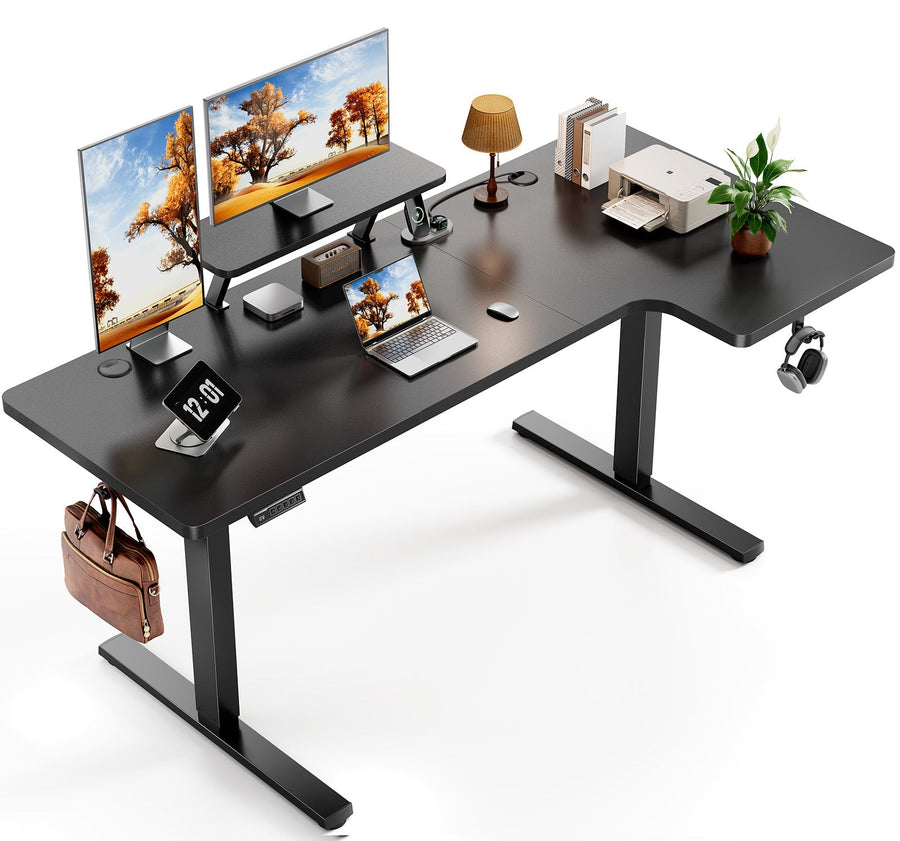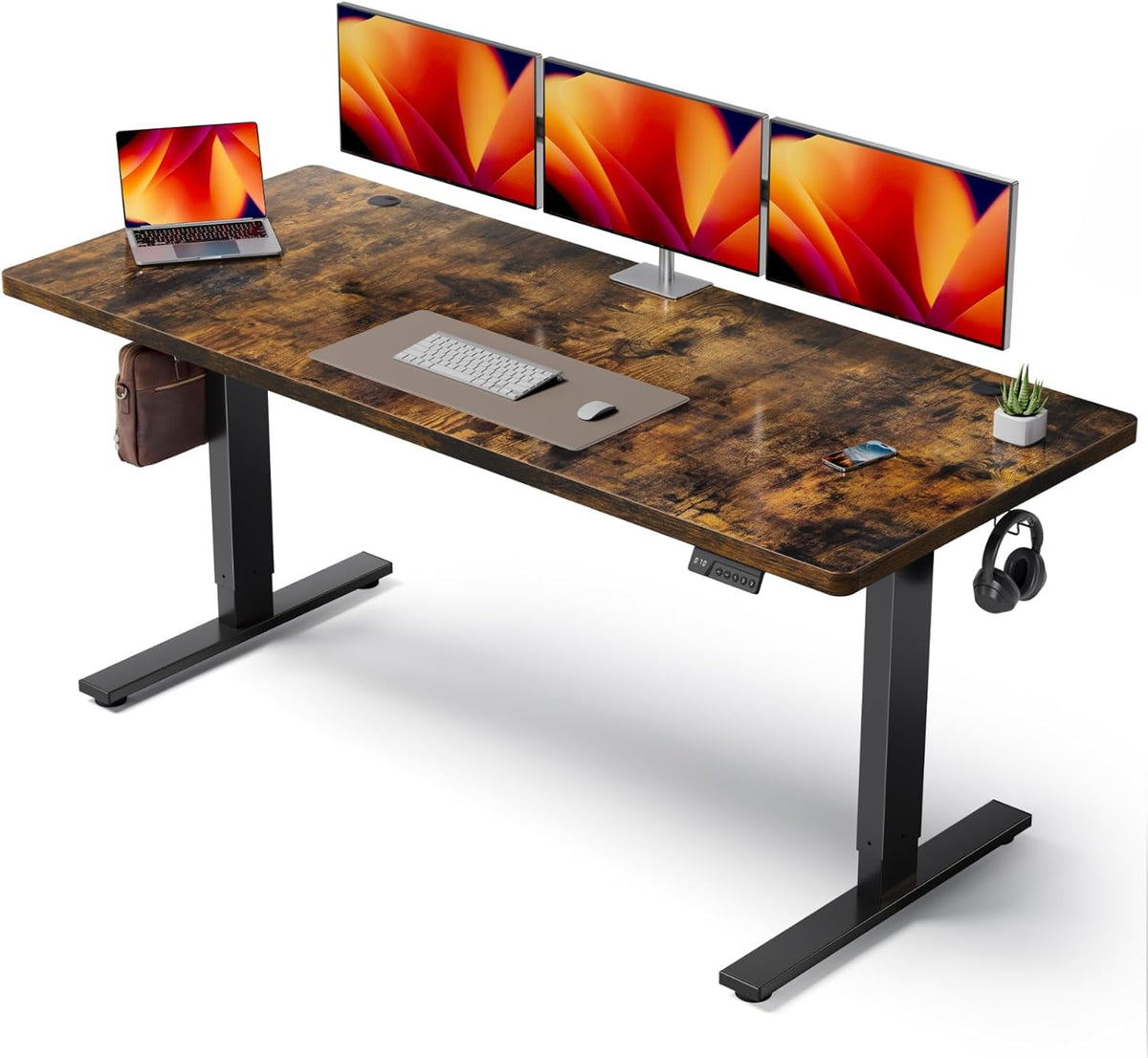
A seller-first method for choosing where to buy a computer desk, with practical checks for fit, documentation, delivery, returns, warranty, and support.
The right ergonomic setup should adapt to your body, support frequent movement, and stay comfortable through a full workday.
If you are deciding where to buy a computer desk, start with the seller rather than the style. The best place to buy is the one that gives you enough verified information to confirm fit, equipment capacity, delivery conditions, assembly requirements, and the remedy if something arrives damaged or does not work in your room.
A direct manufacturer can be a strong choice when you want exact model documentation and a clear support path. A showroom or multi-brand retailer is useful when you need to inspect a desk in person. A local or used seller may reduce the purchase price, but it puts more responsibility on you to check condition, transport, missing hardware, and whether the desk can actually enter the room. The right channel depends on what you still need to verify.
Choose a buying channel by what you need to verify
There is no universally best store for every desk buyer. Use the channel that resolves the largest uncertainty in your purchase.
| Buying channel | Best when | What to verify | Main tradeoff |
|---|---|---|---|
| Direct from a desk brand | You know the desk type you want and need model-specific specifications, policies, and support | Assembled dimensions, height or height range, load guidance, included parts, assembly documents, shipping, returns, warranty, and replacement-part support | You cannot physically test an online-only model before ordering |
| Showroom or multi-brand retailer | You want to compare finishes, controls, stability, or edge comfort in person | Whether the display model matches the delivered model, packaging, delivery service, return route, and who handles support | The floor sample may not represent every size or configuration |
| Local or used seller | Price and immediate pickup matter more than a full manufacturer support path | Frame condition, fasteners, motors and controls if applicable, desktop damage, disassembly, vehicle fit, and missing parts | Returns, warranty coverage, documentation, and replacement parts may be limited or unavailable |
Buy direct when documentation matters most
A brand's own store should let you connect a specific model to its dimensions, assembly information, current policies, and support contact. That is especially useful for an adjustable desk, where the frame, controls, desktop size, and delivered packages all affect the purchase. Do not assume that a general collection description applies to every variant; check the exact model and size you plan to order.
Use a showroom when the unanswered question is physical
Visit a showroom when you need to feel an edge profile, hear a height-adjustable frame operate, or see how a finish looks under ordinary light. Bring your measurements and a short test list. A pleasant five-minute impression does not replace checking the delivered dimensions, under-desk clearance, return terms, and whether the model on display is the same configuration you will receive.
Treat a used desk as an inspection and transport project
For a used desk, ask for the model name, assembled dimensions, clear photos of the frame and desktop, and a video of any powered functions. Confirm whether it must be disassembled, who will do that work, and whether all fasteners and control components are present. A low listing price can stop being a bargain if you need a vehicle, replacement hardware, a new desktop, or several hours of troubleshooting.
Measure the room and your equipment before you shop
A seller can publish accurate dimensions and the desk can still be wrong for your setup. Write down the space the desk must occupy, the route it must travel, and the equipment it must support before you compare products.
Define the room envelope
- Measure the available wall or floor width and depth.
- Leave room for the chair to move and for drawers, doors, and storage to open.
- Check baseboards, radiators, floor vents, outlets, and window sills.
- Measure doorways, stairs, turns, and elevators on the delivery route.
- For an adjustable desk, check the wall area and nearby shelves across the intended height range.
Map the equipment footprint
Measure the monitor base or arm, keyboard, pointing device, laptop, speakers, lighting, and any equipment that must stay on the desktop. Do not judge usable space from the desktop's outside dimensions alone. Monitor stands, clamp-on arms, cable openings, and curved or beveled edges can change where equipment can actually sit.
The OSHA computer workstation purchasing guide recommends enough work-surface depth to place the monitor at least 20 inches from the user and enough surface area for the monitor, keyboard, and input device. OSHA's monitor guidance describes a preferred viewing range of about 20 to 40 inches. Those figures are useful checkpoints, but the desk depth you need still depends on the display, stand or arm, keyboard position, and your own working distance.
Check the working position, not only the furniture footprint
For a fixed desk, confirm that the work height can support your seated setup or that a suitable keyboard solution is possible. For a standing desk, compare the published height range with the heights you need for both sitting and standing. Also check under-desk clearance: a crossbar, control box, drawer, or thick desktop can occupy space your knees or chair arms need.
If depth is the unresolved variable, use the measurement method in our guide to computer desk depth before selecting a model.
Require enough information to make a real decision
A good product page does more than show a styled room. Before you order, you should be able to assemble a practical information packet for the exact desk and variant.
Confirm the physical specification

- Exact assembled width, depth, and height or adjustment range
- Desktop thickness and usable shape
- Frame footprint and under-desk clearance
- Supported load guidance for the exact configuration
- Number and size of delivered packages when available
- Product weight and any special handling needs
If a critical measurement is missing, contact the seller before purchase. Do not fill the gap with a measurement from a similar-looking model.
Understand what assembly involves
Look for an assembly manual, parts list, tools required, and an honest indication of how many people are needed to move or assemble the desk. Determine whether delivery is to the doorstep, another defined location, or includes any room-of-choice or assembly service. These terms can vary, so use the seller's current written policy and order details rather than an assumption based on a previous furniture purchase.
Find the support route before you need it
Identify who handles a missing part, cosmetic damage, a control issue, or a return. Save the product page, model name, selected size and finish, order confirmation, and policy pages. A seller with a visible contact route and model-specific documentation is easier to evaluate than one that asks you to rely on a marketplace listing with incomplete ownership of after-sale support.
Compare the cost of getting the purchase wrong
The sticker price is only one line in the decision. Compare the cost and effort that remain after checkout.
| Decision item | Question to answer before ordering |
|---|---|
| Delivered cost | What is the total after shipping, taxes, required accessories, and any selected service? |
| Fit risk | What happens if the desk fits the room but not the monitor, chair, or work position? |
| Return effort | Must the desk be disassembled, repacked, or shipped at the buyer's expense? |
| Assembly burden | Do you have the time, tools, lifting help, and floor space to assemble it safely? |
| Downtime | If a part is missing or damaged, can you keep working while the issue is resolved? |
| Future changes | Can the surface and frame accommodate a monitor arm, new display, or different room later? |
This is why the cheapest desk and the lowest-risk purchase are not always the same. A slightly higher documented cost may be easier to justify when the seller removes uncertainty that would otherwise be expensive to correct.
Read the policies before checkout
The U.S. Federal Trade Commission's online shopping guidance advises shoppers to check the seller, delivery promises, return policy, and who pays return shipping. Furniture adds a practical complication: a desk may be large, heavy, assembled, or difficult to place back into its original packaging.
Before paying, read the current written terms for:
- Order processing and delivery scope
- Inspection and damage-reporting steps
- Return eligibility and timing
- Condition and packaging requirements
- Return transportation responsibility
- Warranty coverage, exclusions, and claim process
- How to contact support and what evidence a claim requires
Policies can change, so capture the version that applies when you order. If a condition is important to your decision, ask the seller to clarify it in writing before checkout.
How to evaluate OdinLake without guessing
When considering an OdinLake desk, use the current standing desk collection to identify the exact model and configuration, then verify its published specifications rather than relying on a category-level assumption. Check current availability on the live product page.
Next, read the current shipping policy, refund policy, and warranty policy. If a dimension, package detail, or service condition is still unclear, use the contact page before ordering. This same sequence works for any direct seller: exact model, exact measurements, delivery terms, return terms, warranty route, then written clarification.
If you have measurements but have not settled on a desk configuration, our computer desk buying guide can help you compare the roles different desk setups are designed to serve. Keep that product-selection task separate from the seller check in this guide.
A five-minute pre-purchase decision
- Write down the room limit. Record maximum width and depth, delivery-route restrictions, and required chair movement.
- List the equipment. Include every item that must sit on, under, or clamp to the desk.
- Choose the unresolved question. Decide whether you need in-person inspection, better documentation, or a lower-cost local option.
- Open the exact model page. Match the selected size and configuration to the measurements and assembly documents.
- Read the policies. Confirm delivery, damage reporting, returns, warranty, and support ownership.
- Price the complete outcome. Add delivery, required accessories, assembly help, and realistic return risk.
- Stop if a critical fact is missing. Ask the seller and wait for a written answer before ordering.
With those checks complete, “where should I buy?” becomes a practical decision rather than a search for the store with the loudest promotion. Buy from the channel that can prove the desk fits your room, your equipment, and the level of support you expect.
Frequently Asked Questions
Is it better to buy a computer desk online or in a store?
Buy online when the seller provides complete model dimensions, assembly information, delivery terms, returns, warranty details, and responsive support. Buy in a store when you need to inspect the finish, edge, controls, or physical feel before deciding. In either case, verify that the model you examined is the exact model and configuration you will receive.
What should I look for before buying a computer desk?
Check the assembled dimensions, usable desktop area, monitor placement, keyboard and mouse space, under-desk clearance, chair movement, height or height range, supported equipment, assembly requirements, delivery route, return conditions, warranty, and support contact. Start with your own room and equipment measurements so the seller's specifications have something concrete to match.
How do I know whether a computer desk will fit my setup?
Measure the room envelope and the equipment footprint separately. Then compare both with the exact desk dimensions, frame location, desktop shape, and under-desk clearance. Also measure doorways and turns on the delivery route. A desk can fit the wall but still fail because the monitor is too close, the chair cannot move, or the package cannot reach the room.
Is a 24-inch-deep desk enough for a computer?
It can be enough for a compact setup, but the number alone does not decide it. Account for the monitor stand or arm, preferred viewing distance, keyboard depth, cable space, and any clamp-on accessories. OSHA's workstation guidance uses at least 20 inches of monitor distance as a purchasing checkpoint, so test the complete layout rather than assuming every 24-inch desk will work.
What return information should I check before buying a desk online?
Check the return window, eligible condition, original-packaging requirements, authorization process, who pays return transportation, how assembled furniture is handled, and whether any fees or exclusions apply. Also read the damage-reporting procedure separately; a damaged delivery and a change-of-mind return may follow different processes.